

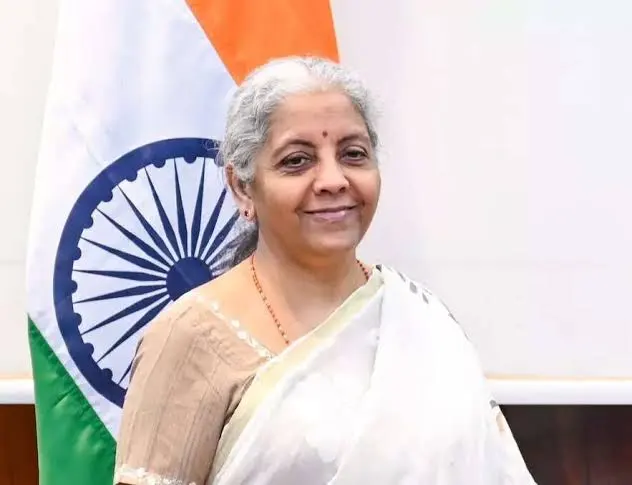

Trusted Banking System: Nirmala Sitharaman Shares India’s Vision
Building a trusted banking system that earns the confidence of people in India and around the world is a key goal of the central government, Union Finance Minister Nirmala Sitharaman said. She made the statement during the inauguration of the Reserve Bank of India’s (RBI) new Tata Centre.
Nirmala Sitharaman highlighted the progress made in India’s banking and financial sectors over the past one and a half decades. She said the Unified Payments Interface (UPI) has become the world’s largest real-time payment system. According to the figures cited in the report, UPI transactions have increased significantly since 2016–17, with more than 800 million transactions reportedly taking place daily and monthly transactions exceeding 14 billion.
Trusted Banking System Through Digital Payments
A strong digital payment infrastructure is essential for building a trusted banking system. UPI has transformed how people transfer money, pay merchants and complete everyday financial transactions. Its rapid expansion demonstrates the growing importance of accessible and efficient digital banking services.
Sitharaman also highlighted India’s progress in financial inclusion. She stated that the country has approximately 590 million Jan Dhan accounts, enabling government benefits to reach eligible beneficiaries directly through bank accounts. Such initiatives help improve transparency and strengthen public confidence in financial services.
Financial Inclusion and Support for Small Businesses
Under the Pradhan Mantri Mudra Yojana, loans worth ₹43 lakh crore have reportedly been sanctioned to micro and small entrepreneurs. Women account for 68% of the beneficiaries, according to the figures mentioned in the report.
Sitharaman also referred to the PM SVANidhi scheme, which provides financial assistance to street vendors. The report states that 9.2 crore loans had been sanctioned under the scheme. These initiatives support access to formal credit and help small business owners participate in the economy.
Financial inclusion is an important part of a trusted banking system because it helps more citizens access banking facilities, government benefits and credit. Transparent processes and reliable services are essential to maintaining that trust.
Nirmala Sitharaman Recites a Verse from the Ramayana
While explaining the significance of the RBI’s new Tata Centre, Nirmala Sitharaman recited a verse from the Aditya Hridayam, a hymn in the Ramayana. According to the epic, Sage Agastya recited the hymn to Lord Rama before his entry into Lanka.
The verse describes how the Sun God protects the universe through his rays and contributes to humanity’s prosperity. Sitharaman connected this message with the role of the RBI centre in protecting India’s financial system and supporting uninterrupted payment services.
The centre is located approximately 25 kilometres from the Sun Temple at Konark. She expressed confidence that the institution would serve the nation and contribute to economic prosperity, much like the Sun symbolically sustains life.
RBI Focuses on Responsible Artificial Intelligence
Reserve Bank of India Governor Sanjay Malhotra said the RBI was promoting responsible, impartial and explainable artificial intelligence (AI). He emphasised that financial institutions must maintain secure and reliable systems to earn public trust.
A trusted banking system depends on effective regulation, strong cybersecurity and the protection of digital transactions. As online banking expands, financial institutions must address cyber threats, data security concerns and risks associated with third-party service providers.
The RBI has introduced frameworks covering IT governance, cyber resilience, outsourcing, third-party risks and digital payment security. These measures aim to strengthen operational safety and improve the reliability of financial services.
How India Can Build a Trusted Banking System
India’s financial sector is undergoing a major transformation through digital payments, financial inclusion and technological innovation. A trusted banking system must combine convenient services with strong security, transparent procedures and effective customer protection.
Expanding digital infrastructure can make banking services more accessible, while responsible use of artificial intelligence can help financial institutions improve operations. At the same time, regulators and banks must ensure that technological developments do not compromise customer privacy or financial security.
Continued investment in cybersecurity, reliable payment infrastructure and inclusive banking services will be important for maintaining confidence among citizens and international stakeholders. These efforts can help India develop a trusted banking system that supports entrepreneurship, economic growth and financial stability.
Key Facts About India’s Banking Sector
| Category | Details |
|---|---|
| Union Finance Minister | Nirmala Sitharaman |
| Central bank | Reserve Bank of India (RBI) |
| Digital payment system | Unified Payments Interface (UPI) |
| Financial inclusion scheme | Pradhan Mantri Jan Dhan Yojana |
| Entrepreneurship scheme | Pradhan Mantri Mudra Yojana |
| Street vendor support scheme | PM SVANidhi |
| RBI Governor | Sanjay Malhotra |
| Key priorities | Digital payments, cybersecurity, financial inclusion and responsible AI |
What Happens Next?
A trusted banking system is essential for India’s financial development. By strengthening digital payment infrastructure, expanding financial inclusion and improving cybersecurity, India can build a banking sector that inspires confidence among citizens and earns international recognition.
Stay connected with TodayDesh.com for more Finance news updates and the latest developments from, across India.