


Bachelor of Arts Graduate Builds a Flying Car
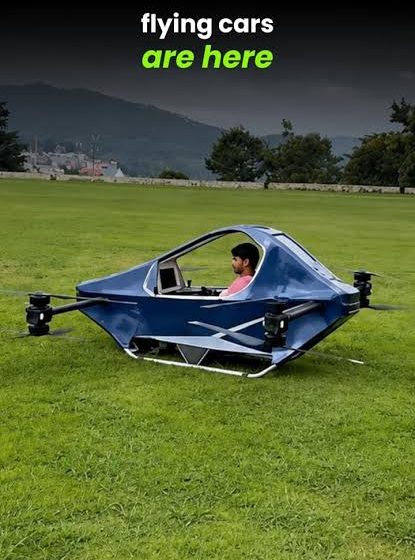
Necessity is the mother of invention. This saying proves that determination and hard work can overcome almost any obstacle, even without a technical degree. Ravi Tamta, from Almora district in Uttarakhand, has demonstrated this through his remarkable achievement. A graduate in arts, Ravi has developed a flying electric car through 13 years of hard work and self-study, despite having no formal engineering degree. He has named his creation Hapita Spianex.
The inspiration behind Ravi’s innovative creation comes from the geographical conditions of his home state, Uttarakhand. Poor road conditions in hilly areas make transportation a major challenge. In such places, providing emergency medical services and delivering assistance to remote areas when needed can be extremely difficult. Having understood these challenges from childhood, Ravi began working towards developing a flying vehicle.
Flying Electric Car Designed for Hilly Regions
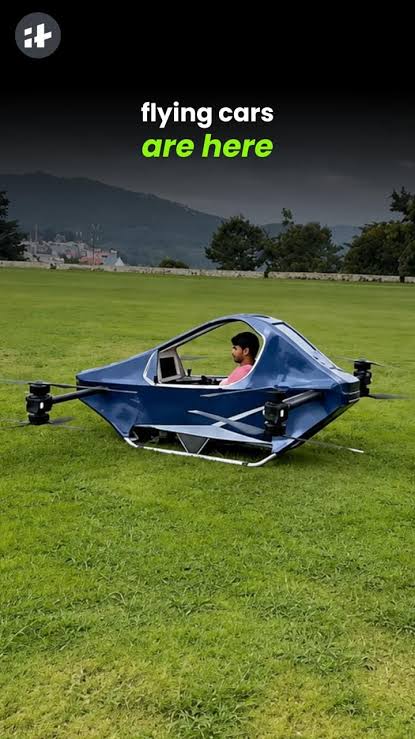
Ravi developed the vehicle through his own venture, Hapita Sky Private Limited. The vehicle is designed for vertical take-off and landing (VTOL), meaning it does not require a conventional runway. He has designed it along the lines of a multirotor drone. It features a lightweight frame and a cockpit. The vehicle is powered by batteries and therefore does not use conventional fuel.
The flying electric car is an innovative attempt to address transportation difficulties in mountainous regions. In areas where roads are poorly connected or difficult to access, such technology could potentially help improve connectivity and support emergency services. However, its practical use will depend on further development, testing and the necessary regulatory approvals.
Self-Taught Innovator with No Engineering Degree
Despite having no prior experience in aerospace or aviation, Ravi acquired the necessary knowledge through the internet, YouTube and various online research journals. His journey demonstrates how self-learning, curiosity and consistent effort can help turn an ambitious idea into a working prototype.
Ravi’s achievement highlights the importance of practical knowledge and independent research. Rather than allowing the absence of a formal engineering degree to stop him, he continued learning and experimenting to develop his flying vehicle. His work reflects his determination to find a possible solution to the transportation challenges faced by people living in remote areas.
Flying Car Project Began in 2015
Ravi formally began working on the flying vehicle project in 2015. After years of development and experimentation, the prototype successfully completed its first experimental flight in August 2022. This marked an important milestone in the development of his innovative project.
The successful experimental flight represented a significant step forward, but it did not mean that the vehicle was ready for commercial use. The prototype remains at an early stage of development, and additional testing and improvements may be necessary before it can be considered suitable for wider applications.
DGCA Approval Required for Commercial Launch
Before the flying electric car can be introduced commercially, it will need approval from the Directorate General of Civil Aviation (DGCA), along with compliance with other applicable safety standards and regulatory requirements. These approvals are essential to ensure that the vehicle meets the necessary safety conditions before it can be used commercially.
Developing a vehicle capable of carrying people through the air involves important technical and safety challenges. Regulatory assessment, testing and compliance will therefore be crucial steps in determining whether the prototype can eventually become a commercially viable product.
Aiming to Transform Transportation in Remote Areas
Ravi Tamta’s flying electric car highlights how determination, independent learning and a desire to solve real-world problems can inspire innovation. His project is an ambitious attempt to address transportation challenges in mountainous regions, where difficult terrain and poor road connectivity can delay essential services.
If the vehicle eventually receives the required approvals and becomes commercially viable, the technology could offer new possibilities for reaching remote locations. For now, the prototype represents an early step towards that goal and an example of how individual initiative can contribute to technological experimentation and innovation in India.
Stay connected with TodayDesh.com for more Technology news updates and the latest developments from, across India.