

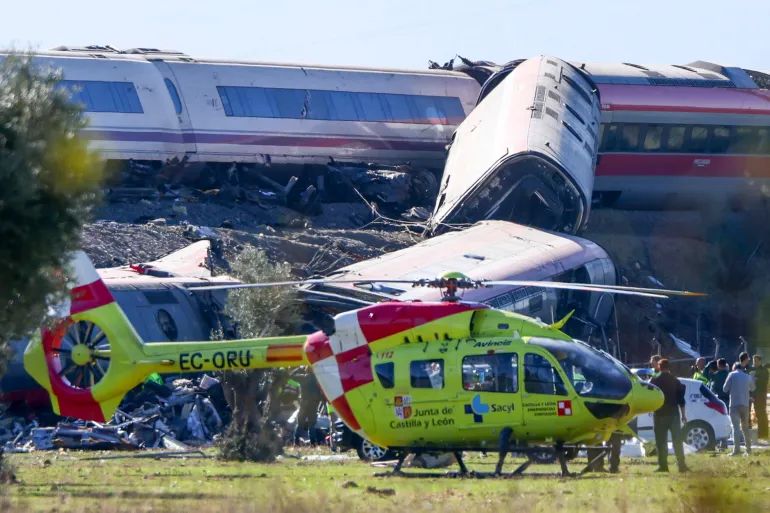

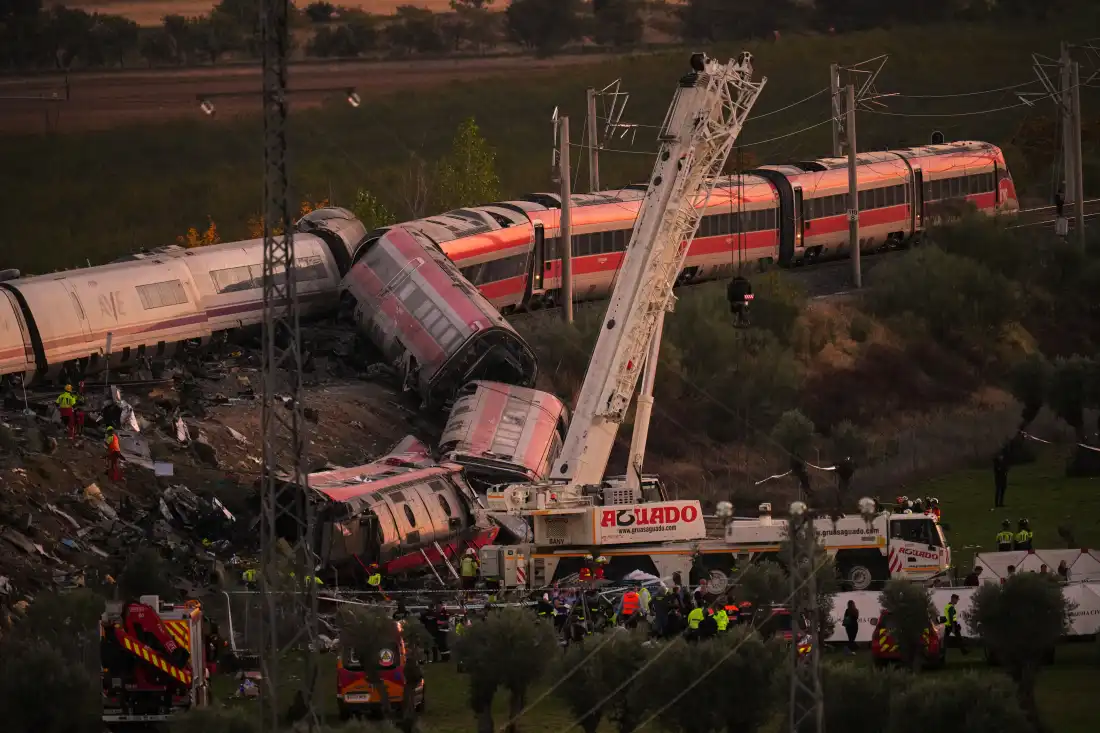
Spain Train Accident: 14 Dead, 179 Injured in Tragic Crash
The Renfe train was carrying 397 passengers, while the Iryo train had 247 passengers on board. Emergency response teams and police personnel arrived at the scene and launched rescue operations. The injured passengers were taken to nearby hospitals for treatment.
The Spanish government has promised a thorough and transparent investigation into the incident. Spanish Prime Minister Pedro Sánchez expressed deep sorrow over the tragedy.
The train accident in Spain has been described in the report as the deadliest railway disaster in the country since 2013. In the 2013 train accident, 80 passengers lost their lives.
About Iryo, Renfe and Adif
Spain’s Private High-Speed Rail Operator
Iryo is a private high-speed rail service operator in Spain. Alongside the state-owned railway company Renfe, it provides passengers with fast and modern rail travel services. Iryo began operations in 2022, and its trains are capable of reaching speeds of up to 300 kilometres per hour.
Iryo connects several major Spanish cities, including Madrid, Barcelona, Valencia, Seville and Málaga. The company offers an alternative to traditional railway services and contributes to competition in Spain’s high-speed rail market.
Spain’s National Railway Operator
Renfe is Spain’s national railway operator. It is owned by the Spanish government and is one of the country’s largest railway service providers. The company operates a wide range of passenger services, from conventional trains to high-speed services. Some of its high-speed trains can reach speeds of up to 310 kilometres per hour.
Renfe connects major cities across Spain and also provides international rail services to neighbouring countries, including France and Portugal. Its services play an important role in passenger transportation throughout the country.
Adif: Managing Railway Infrastructure
Adif is Spain’s national railway infrastructure management company. While operators such as Renfe and Iryo run the trains, Adif manages the country’s railway infrastructure.
Its responsibilities include constructing and maintaining railway tracks, managing signalling systems and rail traffic, overseeing railway stations, and ensuring the proper functioning of railway infrastructure. These responsibilities are essential for maintaining safe and efficient railway operations.
Investigation and Railway Safety
The investigation is expected to examine the circumstances surrounding the collision, including the signalling system and the sequence of events that led to the accident. Investigators will need to establish whether a signalling failure, human error or another technical problem contributed to the crash.
Railway signalling systems are designed to maintain safe distances between trains and prevent conflicting movements on the tracks. Any failure in these systems can have serious consequences, making a detailed investigation essential.
The Spanish government’s commitment to a transparent investigation is expected to help establish the facts and determine responsibility. The findings may also lead to recommendations to strengthen railway safety procedures, improve signalling technology and reduce the risk of similar accidents in the future.
The tragedy has raised renewed concerns about railway safety and emergency preparedness. As rescue operations and investigations continue, authorities are expected to focus on supporting the injured passengers and providing accurate information about the incident.
Spain Train Accident Raises Railway Safety Concerns
The reported Spain Train Accident has raised concerns about railway safety, signalling systems and train operations. Authorities are expected to investigate the circumstances surrounding the collision and determine what caused the two high-speed trains to collide.
The Spain Train Accident also highlights the importance of effective communication between railway operators and infrastructure managers. Accurate signalling, regular track inspections and strict safety procedures are essential to protecting passengers and railway staff.
Spain Train Accident Investigation and Emergency Response
Following the reported Spain Train Accident, emergency services reportedly reached the scene to assist injured passengers and coordinate rescue operations. The injured were taken to nearby hospitals for medical treatment, while authorities promised a transparent investigation into the incident.
The findings of the investigation into the Spain Train Accident could help identify potential safety improvements. Railway authorities may review signalling procedures, traffic control systems and emergency response arrangements to reduce the risk of similar incidents.
Latest Updates on the Spain Train Accident
For further information about the Spain Train Accident, readers can visit the official website of
Adif (Spain’s Railway Infrastructure Manager)
for railway traffic updates and information about disruptions on the Madrid–Andalusia high-speed line.
Stay connected with TodayDesh.com for more World news updates and the latest developments from, across India.