


Odisha Floating Solar Projects: Major Boost for Green Energy at Hirakud and Indravati
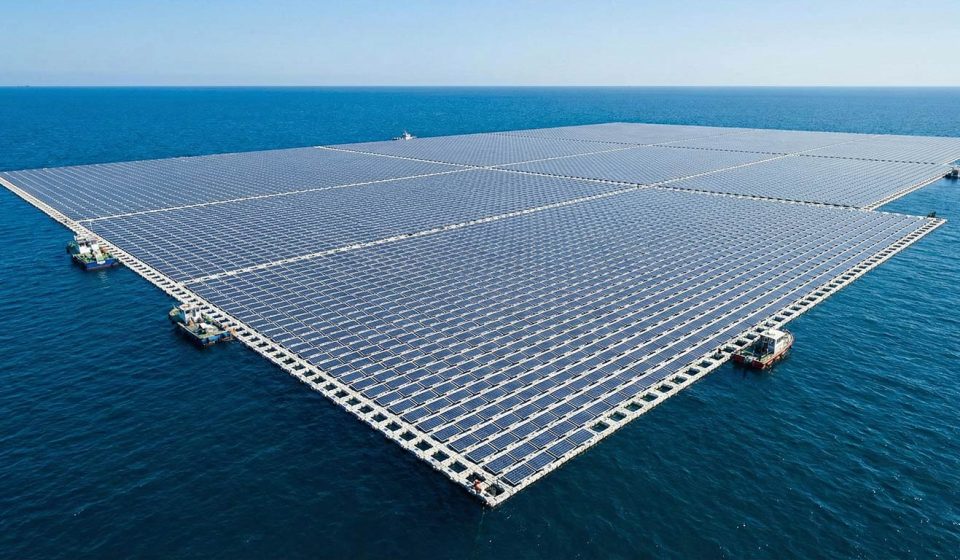
Odisha Floating Solar Projects are set to receive a major boost as the state government prepares to utilise its reservoirs and wetlands for renewable energy generation. The government has drawn up a blueprint to promote green energy while maintaining the ecological balance of important water bodies. Under the proposed plan, floating solar power projects with a capacity of approximately 3,500 MW at Hirakud Reservoir and 225 MW in the first phase at Upper Indravati are being considered.
Odisha Floating Solar Projects are becoming an important part of the state’s renewable energy development strategy. The proposed projects at Hirakud and Upper Indravati are expected to create new opportunities for clean electricity generation. The Odisha government is focusing on utilising available water resources while ensuring environmental protection.
Benefits of Odisha Floating Solar Projects
The proposed Odisha Floating Solar Projects could offer several benefits to the state’s energy sector. Floating solar panels can generate electricity without requiring large areas of agricultural or residential land. They can also make productive use of suitable reservoir surfaces.
Another important advantage of Odisha Floating Solar Projects is their potential contribution to renewable energy production. With suitable planning, these projects could support the state’s long-term clean energy goals. However, environmental assessments will be essential before implementation.
Hirakud Reservoir and Upper Indravati have been identified for major floating solar development proposals. The Odisha Floating Solar Projects will require coordination between energy authorities, environmental departments and other concerned institutions.
The government is also considering wetland conservation measures alongside these developments. This approach aims to ensure that Odisha Floating Solar Projects contribute to energy development without compromising important aquatic ecosystems.
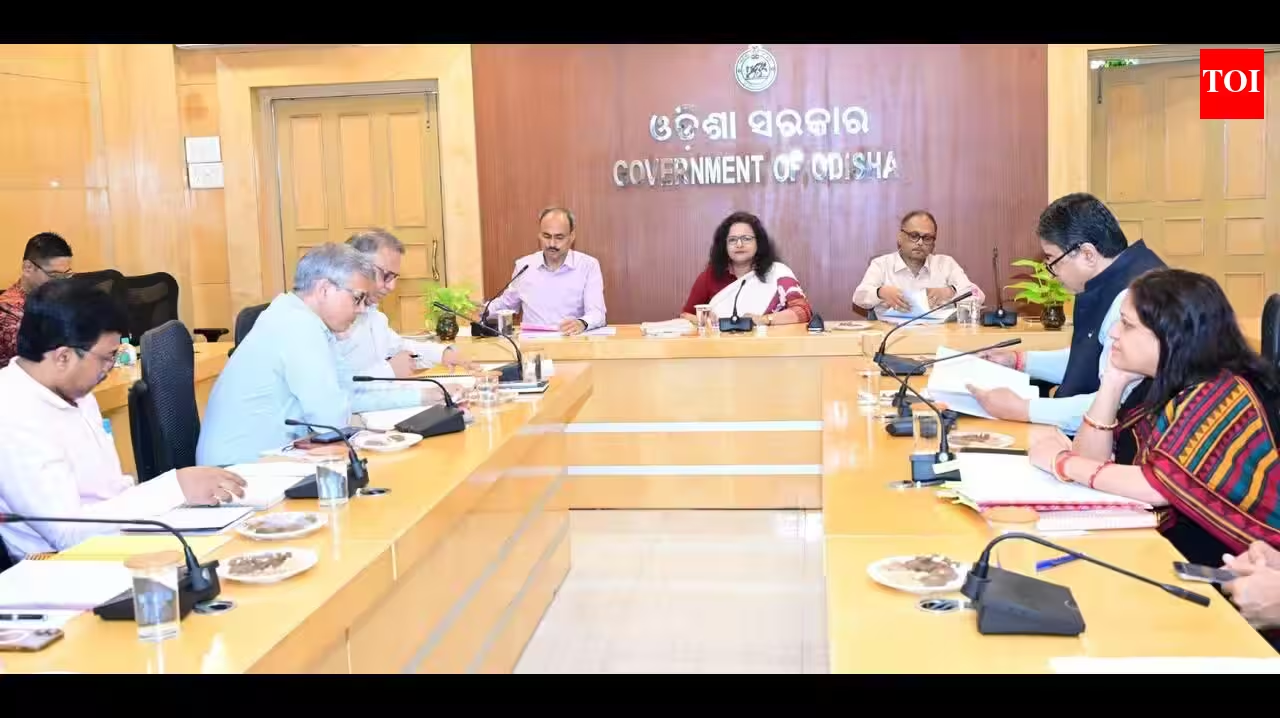
The development was discussed during the fifth meeting of the State Wetlands Authority, held on Saturday at Lok Seva Bhawan in Bhubaneswar. The meeting was chaired by Forest, Environment and Climate Change Minister Ganesh Ram Singhkhuntia. Several important proposals related to renewable energy, wetland conservation and environmental protection were discussed during the meeting.
Odisha Floating Solar Projects at Hirakud and Indravati
One of the major highlights of the meeting was the proposed installation of large-scale floating solar power projects in Odisha. GRIDCO is taking steps towards developing floating solar facilities at two major reservoirs in the state.
According to the proposal, Hirakud Reservoir is being considered for a floating solar project with an estimated capacity of around 3,500 MW. Similarly, the Upper Indravati Reservoir is planned to accommodate a 225 MW floating solar project in its first phase.
These projects are expected to strengthen Odisha’s renewable energy infrastructure and support the state’s efforts to increase clean electricity generation. Floating solar technology allows solar panels to be installed on water surfaces instead of occupying large areas of land.
Such projects can help utilise available water surfaces for energy production. However, their development requires careful planning to ensure that aquatic ecosystems, biodiversity and other environmental conditions are not adversely affected.
OPGC’s IB Thermal Expansion Project Also Discussed
Apart from the proposed floating solar projects, the State Wetlands Authority meeting also discussed other energy development proposals. These included the 1,370 MW IB Thermal Expansion Project proposed by Odisha Power Generation Corporation (OPGC).
The meeting also considered OPGC’s proposal for a 10 MW floating solar power project at its intake canal. The proposal includes a battery energy storage system with a capacity of 2 MW or 8 MWh, as mentioned during the discussion.
The proposed energy projects are part of broader discussions about strengthening the state’s power infrastructure. Officials also highlighted the importance of balancing energy development with the protection of natural resources.
Environmental Protection to Remain a Priority
While discussing the proposed energy projects, the State Wetlands Authority emphasised that development activities must follow environmental protection guidelines and existing legal provisions.
Wetlands play an important role in maintaining ecological balance. They support different species of plants and animals, provide habitats for migratory birds and help maintain water quality. These ecosystems also contribute to groundwater recharge and help reduce the impact of floods.
Therefore, the government wants to ensure that renewable energy projects do not damage the natural characteristics of reservoirs and wetlands. Environmental safeguards and compliance with applicable laws will be important considerations before projects move forward.
Special District-Level Wetland Committees to Be Formed
Another important decision taken during the meeting was the formation of special district-level wetland committees across Odisha. These committees will be established in every district under the chairmanship of the respective District Collector.
The concerned Divisional Forest Officers (DFOs) will serve as Member-Conveners of these committees. The new structure is expected to improve coordination among district authorities and strengthen the conservation and management of wetlands.
District-level committees will play an important role in monitoring wetland-related activities and addressing conservation issues. Their involvement is also expected to improve the implementation of government decisions at the local level.
Minister Ganesh Ram Singhkhuntia directed departmental officials to accelerate the processing of proposals related to wetlands. The instruction aims to ensure that important proposals receive timely attention while maintaining the required environmental standards.
Senior Officials Attend State Wetlands Authority Meeting
Several senior government officials and representatives of important institutions attended the fifth meeting of the State Wetlands Authority.
Those present included Forest and Environment Department Principal Secretary Bhaskar Jyoti Sharma, PCCF and Head of Forest Force Dr K. Murugesan, and Chief Wildlife Warden Prem Kumar Jha.
Representatives from the Chilika Development Authority, Odisha State Pollution Control Board, Odisha Biodiversity Board and WRSAC also participated in the meeting. Their presence highlighted the importance of cooperation among different departments and organisations for wetland conservation and sustainable development.
Odisha Focuses on Renewable Energy and Wetland Conservation
The decisions taken during the meeting indicate the state’s intention to promote renewable energy while protecting its valuable natural resources. The proposed floating solar projects at Hirakud and Upper Indravati could become important additions to Odisha’s clean energy infrastructure if implemented after the necessary assessments and approvals.
At the same time, the formation of district-level wetland committees is expected to strengthen conservation efforts across the state. Effective monitoring, coordination and environmental compliance will remain essential for achieving sustainable development.
Overall, the fifth State Wetlands Authority meeting marked an important step in discussing Odisha’s green energy ambitions alongside wetland protection. The coming stages of planning, assessment and approval will determine how these proposals progress.
Related External Links and References
For more information about Odisha Floating Solar Projects, renewable energy development and wetland conservation, readers can visit the following official websites and news sources:
- GRIDCO Official Website – Get information about electricity generation, renewable energy initiatives and project developments in Odisha.
- Odisha Electricity Regulatory Commission (OERC) – Find electricity regulations, policies and official documents.
- Odisha Forest, Environment and Climate Change Department – Learn about environmental protection and wetland conservation initiatives.
- Odisha State Pollution Control Board – Access environmental guidelines and pollution control information.
These references provide additional background on Odisha’s renewable energy development, environmental protection and sustainable management of natural resources.
Stay connected with TodayDesh.com for more Political news updates and the latest developments from, across India.