


Delhi Air Pollution: Major GRAP-1 Restrictions Implemented as AQI Rises
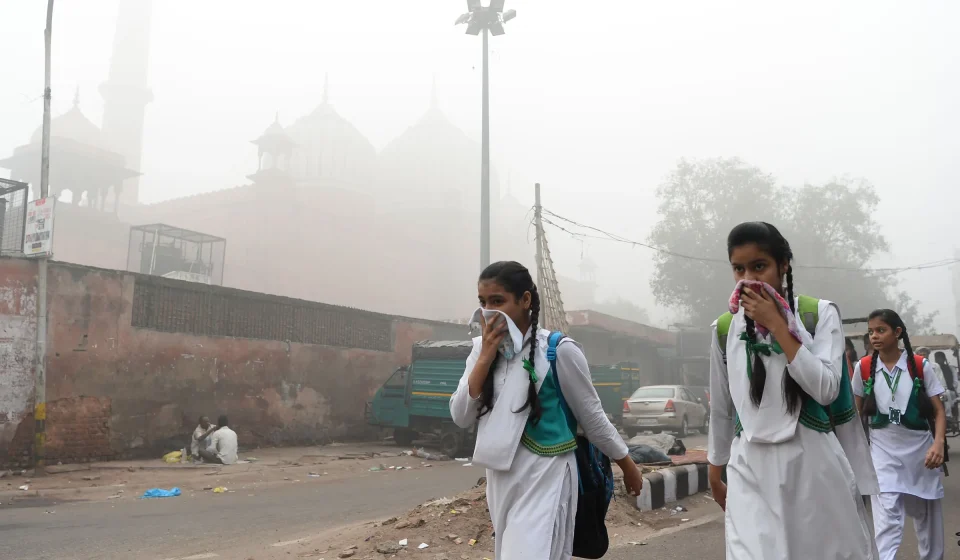
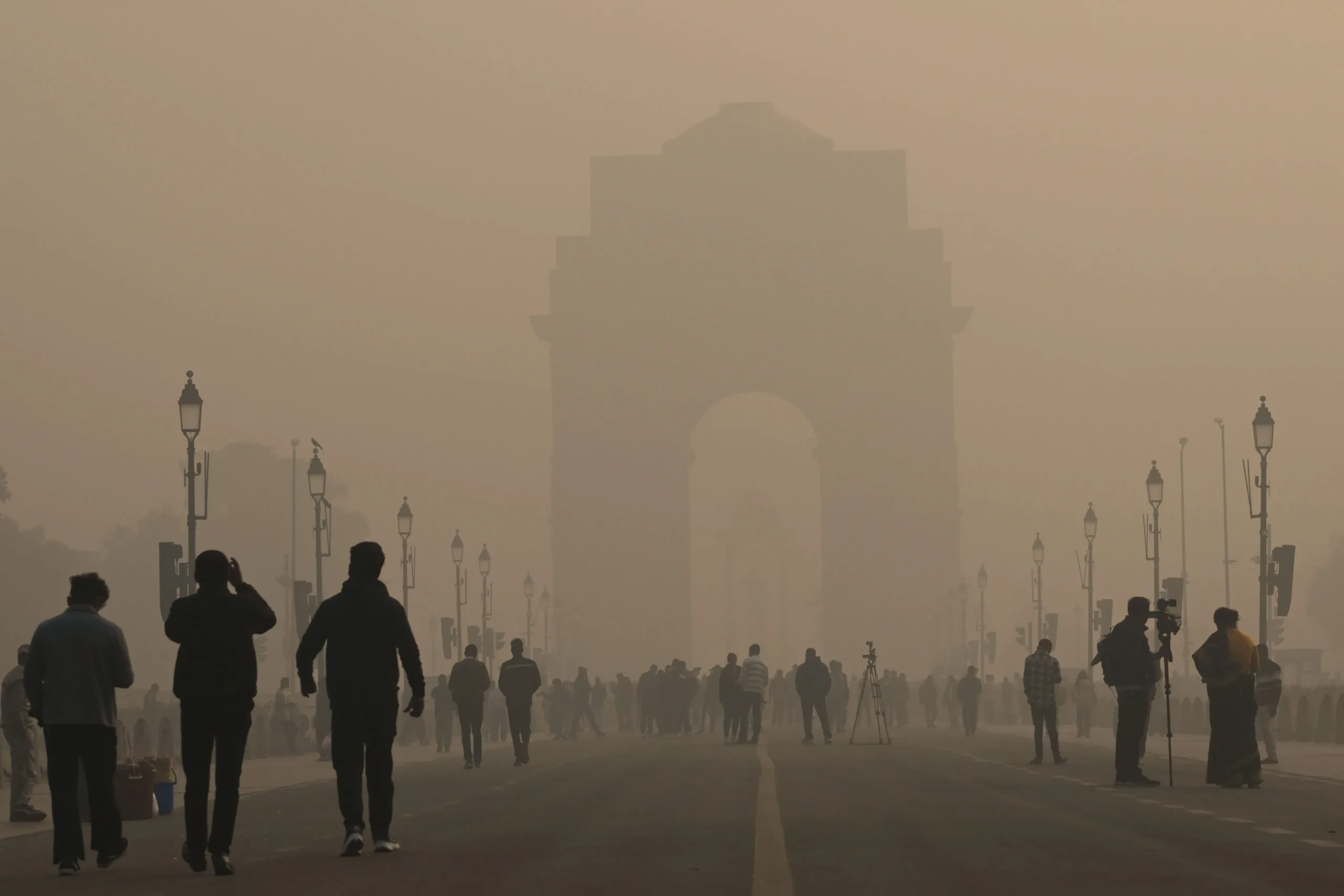
New Delhi, October 21: Delhi Air Pollution has become a growing concern as air quality deteriorates in the national capital. On October 20, Delhi’s Air Quality Index (AQI) reached 279, compared with 244 recorded on October 19. In response to the rising pollution levels, authorities have implemented Stage 1 of the Graded Response Action Plan (GRAP-1) to control pollution and improve air quality.
Delhi Environment, Forest and Wildlife Minister Manjinder Singh Sirsa announced the implementation of GRAP-1. Under this plan, the government will strengthen measures to control dust, reduce vehicle emissions and restrict activities that contribute to air pollution. The announced measures include increased parking charges, restrictions on construction activities and tighter monitoring of pollution sources.
Delhi Air Pollution Triggers GRAP-1 Restrictions
The increase in Delhi Air Pollution has prompted authorities to activate the first stage of the Graded Response Action Plan. GRAP is a set of emergency measures designed to manage air pollution in Delhi and the National Capital Region (NCR). Different stages of the plan are implemented depending on the severity of air pollution.
GRAP-1 generally applies when the AQI falls in the poor category, ranging from 201 to 300. When pollution increases further, additional restrictions may be introduced under the higher stages of the plan. These measures aim to prevent air quality from deteriorating further and protect public health.
The four stages are broadly classified as follows:
- GRAP-1: AQI between 201 and 300, classified as poor.
- GRAP-2: AQI between 301 and 400, classified as very poor.
- GRAP-3: AQI between 401 and 450, classified as severe.
- GRAP-4: AQI above 450, classified as severe-plus under the GRAP framework.
As Delhi Air Pollution remains a concern during the seasonal deterioration in air quality, the authorities are focusing on preventive measures to reduce emissions and control dust across the city.
Restrictions on Construction and Demolition Work
Construction dust is one of the sources of particulate pollution in urban areas. To address this problem, the government has announced measures to improve dust control and monitor construction sites. Construction and demolition activities must follow the applicable pollution-control guidelines, while violations may lead to enforcement action.
The authorities are also focusing on preventing the burning of garbage, leaves and other waste in open spaces. Such activities release smoke and harmful particles into the air, contributing to poor air quality. The restrictions are intended to reduce avoidable pollution and improve environmental conditions for residents.
Controlling dust from roads, construction sites and other open areas is an important part of the strategy to tackle Delhi Air Pollution. Effective implementation will require regular inspections, responsible waste disposal and cooperation from construction companies and local residents.
Diesel Generator Use to Face Restrictions
Under the GRAP-1 measures described by the authorities, the use of diesel generator sets at hotels, restaurants and other establishments will be restricted according to the applicable rules, with exemptions for permitted emergency situations. Diesel generators can release pollutants that affect local air quality, particularly in densely populated areas.
Businesses are expected to follow the relevant pollution-control requirements. Regular monitoring and compliance checks can help limit emissions from generators and other sources of pollution.
Higher Parking Charges and Vehicle Pollution Controls
Vehicle emissions are another important concern in the fight against Delhi Air Pollution. The government has announced plans to increase parking charges at locations other than metro parking facilities, with charges reportedly set to double. The objective is to discourage unnecessary private vehicle use and encourage commuters to consider public transport.
According to the announcement, metro parking facilities will also be expanded to support commuters who combine private transport with metro services. Better access to public transport can help reduce traffic congestion and emissions if more people choose to leave their vehicles at home.
The minister also stated that vehicles without a valid Pollution Under Control (PUC) certificate would not be allowed to obtain fuel from November 1, as announced. Motorists should check the applicable requirements and ensure that their vehicles have valid emission certificates.
Work-from-Home Plan and Changes to Office Timings
To reduce traffic congestion, the Delhi government is considering changes to the working hours of government offices and Municipal Corporation offices. Work-from-home arrangements are also being planned as part of efforts to reduce the number of vehicles travelling on city roads.
Reducing unnecessary travel may help limit vehicle emissions, especially during periods when pollution levels are high. Public transport, carpooling and responsible travel planning can also support efforts to control Delhi Air Pollution.
Anti-Smog Guns and Mist-Spraying Units Deployed
The government has taken additional steps to control dust across Delhi. According to the reported information, 20 anti-smog guns and 1,540 mist-spraying units have been installed in different parts of the capital.
Anti-smog guns and mist-spraying equipment are used to help suppress airborne dust under suitable conditions. Their effectiveness depends on factors such as weather, location, maintenance and the nature of the pollution. These measures need to be supported by proper dust management and emission controls at the source.
An Engineering Command and Control Centre has also been established to monitor pollution associated with construction activities. The system is intended to strengthen oversight and help authorities identify areas where pollution-control measures require attention.
AI-Based Traffic Management to Reduce Emissions
Delhi is also using an artificial intelligence-based traffic management system to improve traffic flow and help reduce vehicle emissions. Better traffic management may reduce unnecessary idling and congestion, although its impact depends on implementation and traffic conditions.
The government is working with the Indian Institute of Technology (IIT) Madras to identify local sources of pollution. Understanding where pollutants originate can help officials develop more targeted solutions for different areas of the city.
Vayu Rakshaks to Monitor Pollution Sources
Personnel known as Vayu Rakshaks have reportedly been deployed across 25 wards to identify local pollution sources and report violations to the relevant authorities. Their work includes ground-level monitoring and reporting activities that may breach pollution-control regulations.
Community-level monitoring can support enforcement by helping authorities identify problems that require attention. Residents can also contribute by avoiding waste burning, maintaining vehicles properly and following construction and waste-disposal rules.
What Happens Next for Delhi Air Pollution?
The implementation of GRAP-1 represents an initial response to worsening Delhi Air Pollution. If air quality deteriorates further, authorities may consider stronger measures under the applicable stages of the Graded Response Action Plan.
Long-term improvement will require more than temporary restrictions. Cleaner transport, effective construction-dust management, proper waste disposal, industrial emission controls and public participation are all important in reducing pollution.
Residents should follow official air-quality advisories and take appropriate precautions when pollution levels are high. People who are particularly sensitive to polluted air should consult reliable health guidance and seek medical advice if they experience concerning symptoms.
With stronger enforcement, improved traffic management and cooperation from the public, Delhi can work towards reducing pollution and improving air quality. The effectiveness of the current measures will depend on consistent implementation and the ability to address pollution at its sources.
Stay connected with TodayDesh.com for more International news updates and the latest developments from, across India.