


Radha Damodar Besha Begins at Puri Srimandir: Special Kartika Rituals Start
Puri, The sacred Radha Damodar Besha of Mahaprabhu has begun at the famous Srimandir in Puri, Odisha, marking an important part of the holy month of Kartika. Along with the special attire of the deities, the traditional Kartika rituals and Balabhoga offerings have also commenced at the temple. Devotees consider this period highly auspicious and visit Srimandir to seek the blessings of Lord Jagannath, Lord Balabhadra and Devi Subhadra.
The Radha Damodar Besha is performed during the sacred Kartika month according to the traditional rituals of Srimandir. From Ashwina Shukla Ekadashi to Kartika Shukla Dashami, the deities are scheduled to appear in this special attire on the Ratna Singhasana. This month-long observance holds special religious significance for devotees of Lord Jagannath.
Radha Damodar Besha Begins with Kartika Rituals
The beginning of the Radha Damodar Besha marks the commencement of an important phase of worship at Puri Srimandir. According to the temple’s traditional ritual system, the special attire is offered after the completion of the Mangal Alati and Abakasha rituals during Kartika.
Once the deities are adorned in the Radha Damodar attire, several daily rituals take place. These include Rosha Homa, Surya Puja, Dwarapala Puja, Gopala Ballabha Bhoga and Sakala Dhupa. Each ritual follows established temple traditions and forms part of the daily worship offered to the deities.
The observance reflects the rich religious heritage of Jagannath culture in Odisha. The Radha Damodar Besha is especially significant during Kartika, a month regarded as sacred by many Hindu devotees. The rituals and decorations provide an opportunity for worshippers to participate in the spiritual atmosphere of Srimandir.
Balabhoga Offered After Morning Dhupa
Along with the special attire, the Balabhoga ritual has also begun at Srimandir. The offering is performed after the completion of the morning Dhupa ritual. According to the prescribed procedure, Balabhoga is offered through the Panchopachara method, which involves five forms of ritual worship.
After the Balabhoga offerings arrive, the Mudirasta servitor performs the prescribed service by applying prasada to the divine bodies of the deities. Once the offering is completed, Bandapana, a ceremonial waving of light, is performed for the three deities. The special attire is subsequently removed as part of the scheduled rituals.
The Balabhoga observance will continue until Kartika Purnima. These daily offerings form an important part of the Kartika worship at Srimandir and accompany the religious observances associated with the Radha Damodar Besha.
Golden Ornaments Adorn Lord Jagannath and Lord Balabhadra
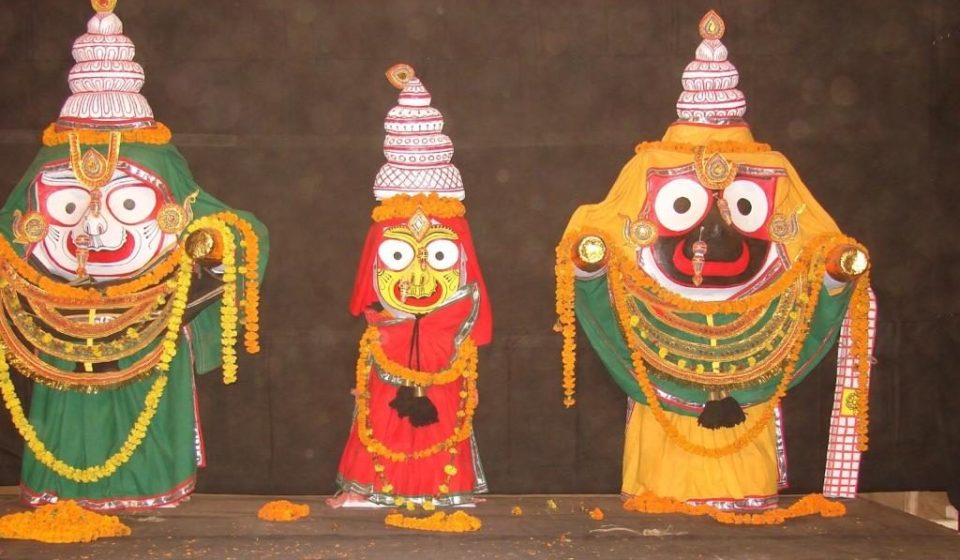
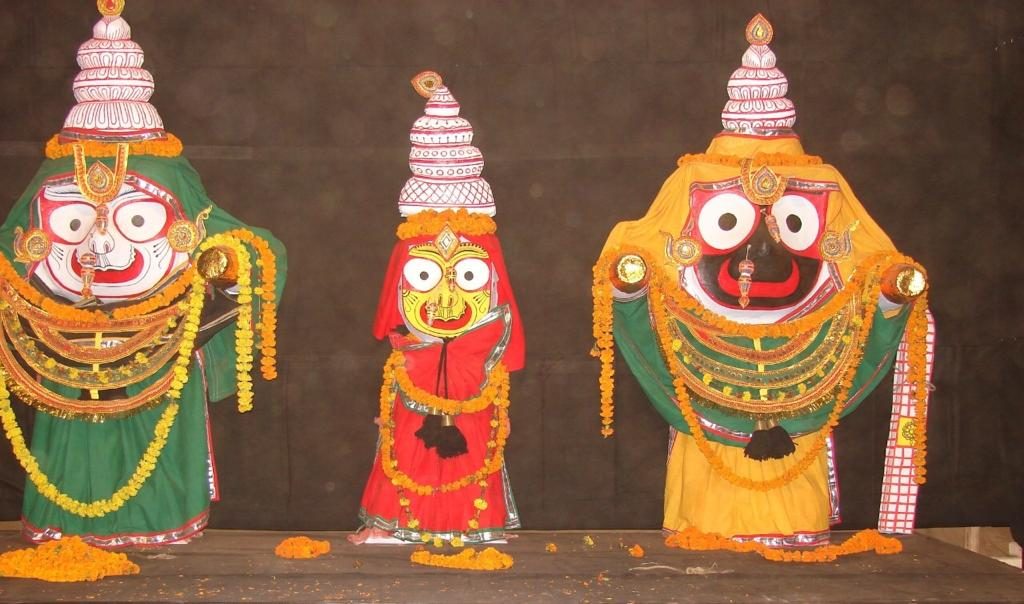
One of the most notable features of the Radha Damodar Besha is the traditional jewellery and decorative ornaments worn by Lord Jagannath and Lord Balabhadra. During this attire, the two deities wear golden Nalibhuja ornaments on their hands.
Their heads are decorated with special crests made using bamboo frameworks and cloth. Silver Chandrika ornaments are placed above these decorative crests, adding to the distinctive appearance of the deities.
Other ornaments include golden earrings, an Odiani waist belt, Ghagada garlands and golden Tilaka marks on the forehead. The deities are also adorned with Chandra-Surya decorations and the Ramanandi Chita, which are important elements of their traditional appearance.
Floral decorations further enhance the beauty of the attire. Decorative elements such as Chuda, Guna and Chita, along with Adhara Mala garlands, form part of the elaborate adornment. These ornaments and accessories are prepared and offered according to the established customs of the temple.
Different Coloured Clothes Used for the Besha
The clothing used for the Radha Damodar Besha changes according to the day of the week. The deities are adorned with Patta silk garments in different colours, along with Siri Kapada, Bala, Adharabala and Uttariya cloths.
The use of traditional fabrics, jewellery and floral decorations reflects the artistic and spiritual heritage of the Jagannath Temple. Every element of the attire has a place within the prescribed ritual tradition, and the services are performed by designated temple servitors.
For devotees, the sight of the deities in their special Kartika attire is an important part of the pilgrimage experience. The observance also highlights the continuing importance of traditional worship practices at Srimandir.
Why Radha Damodar Besha Is Important During Kartika
The Radha Damodar Besha is an important religious observance during the holy month of Kartika. The period is associated with devotion, prayer and special worship practices. Many devotees consider Kartika an auspicious time to visit temples, offer prayers and participate in religious activities.
At Puri Srimandir, the observance combines the traditional adornment of the deities with daily rituals and food offerings. The continuation of these practices preserves the religious customs associated with Lord Jagannath and strengthens the connection between devotees and the temple’s spiritual heritage.
The commencement of the Radha Damodar attire and Balabhoga rituals has therefore marked an important moment in the Kartika calendar at Srimandir. Devotees will continue to observe this sacred period as the temple follows its established schedule of worship through the coming weeks.
What Happens Next?
The commencement of the Radha Damodar Besha at Puri Srimandir marks the beginning of a significant period of Kartika worship. The special attire, golden ornaments, colourful silk garments and traditional floral decorations highlight the distinctive beauty of the deities.
Alongside the daily rituals, the Balabhoga offering will continue until Kartika Purnima. These observances preserve the traditions of Srimandir and make the holy month of Kartika an important time for devotees of Lord Jagannath, Lord Balabhadra and Devi Subhadra.
Stay connected with TodayDesh.com for more Odisha news updates and the latest developments from, across India.